Named external expert review
Used only when a named reviewer, their relevant credential or professional context, the reviewed scope, and the review date are recorded for the page or source pack.

Methodology
How expert input, professional source material, and category heuristics can strengthen a shortlist without pretending every page is hands-on tested.
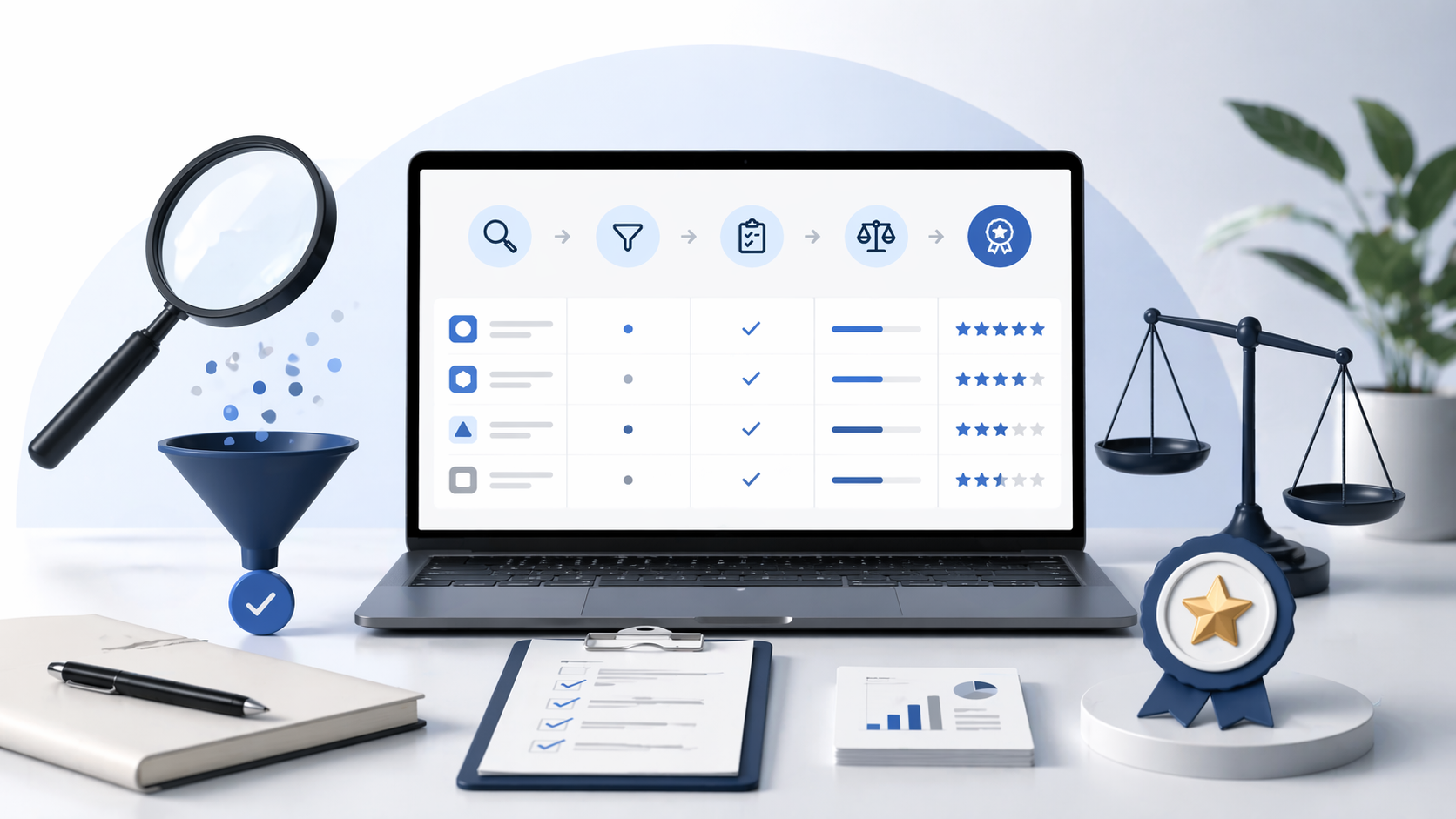
UK Shortlists uses a hybrid evidence model. A shortlist may combine source-backed product records, category criteria, merchant/listing checks, reviewer sign-off, professional source material, and named external expert input where that input is actually documented.
This does not mean every product has been physically tested, lab measured, professionally endorsed, or personally used. The review-basis label and page evidence should make the boundary clear.
Used only when a named reviewer, their relevant credential or professional context, the reviewed scope, and the review date are recorded for the page or source pack.
Used when course material, industry guidance, official standards, or regulator-style sources help define buyer checks. These sources inform criteria; they do not become a claim that UK Shortlists performed product testing.
Used to pressure-test a shortlist against buyer-fit, setup friction, exclusions, returns, compatibility, and evidence boundaries before publication.
Used when product identity, specifications, merchant details, policies, and independent source patterns support a bounded route recommendation.
If a shortlist uses named expert input or professional course material as part of its evidence, the page or supporting source pack should make the scope visible enough for a reader to understand it.
The useful outcome is not more marketing language. It is better route criteria, clearer exclusions, stronger buyer-fit checks, fewer unsupported claims, and better escalation when a category needs specialist review before it can be treated as publish-ready.
For the public label system, see Review Basis. For the hard boundary list, see Claims We Do Not Make.