UKShortlists.co.uk
Current product
Practical UK buying shortlists, decision tools and consumer checklists with visible evidence notes and affiliate disclosure.

Trust & transparency
UK Shortlists publishes concise comparison-led recommendations for UK shoppers who want to make a practical choice quickly. This page explains how our recommendations are put together, how affiliate links work, and what our editorial standards are.
UK Shortlists maintains public business profiles for transparency, business verification, and public feedback.
Google Business Profile
Business details and public profile on Google.
View Google profile
Trustpilot
Independent review profile and company details.
View Trustpilot profile
Public Page for UK Shortlists consumer guide updates.
View Facebook page
Visual UK Shortlists buying-guide and checklist updates.
View Instagram profile
UK Shortlists pins and saved buying-check collections.
View Pinterest profile
UK Shortlists is operated by Mark Hay with documented editorial workflows, evidence boundaries, disclosure standards, and correction routes published on this site for reader transparency.
Reader-facing guidance, shortlist methodology, commercial disclosure, and correction handling are anchored to UK Shortlists rather than hidden operational labels.
Related Mark Hay products and services
UK Shortlists is the buying-guide publication in a wider set of Mark Hay products, tools, and service experiments. These links are included for context and awareness. They are not customer testimonials, ratings, awards, traffic claims, partner endorsements, or proof of outcomes.
Current product
Practical UK buying shortlists, decision tools and consumer checklists with visible evidence notes and affiliate disclosure.
Operator site
Central public profile for Mark Hay projects, practical systems work, tools, notes, and publisher support.
Public tool
Small-business tools for quotes, invoices, QR assets, review replies, pricing checks, and follow-up messages.
Public support page
Free practical reader-service article support for local publishers, newsletters, and community media.
Public tool
Daily movement planner with source-linked safety limits and browser-only saved plans.
Public workspace
A controlled tender workspace for structured bid review and procurement support workflows.
Public service page
Source-linked competitor scans, watchlists, and strategy briefs for teams that need evidence rather than loose notes.
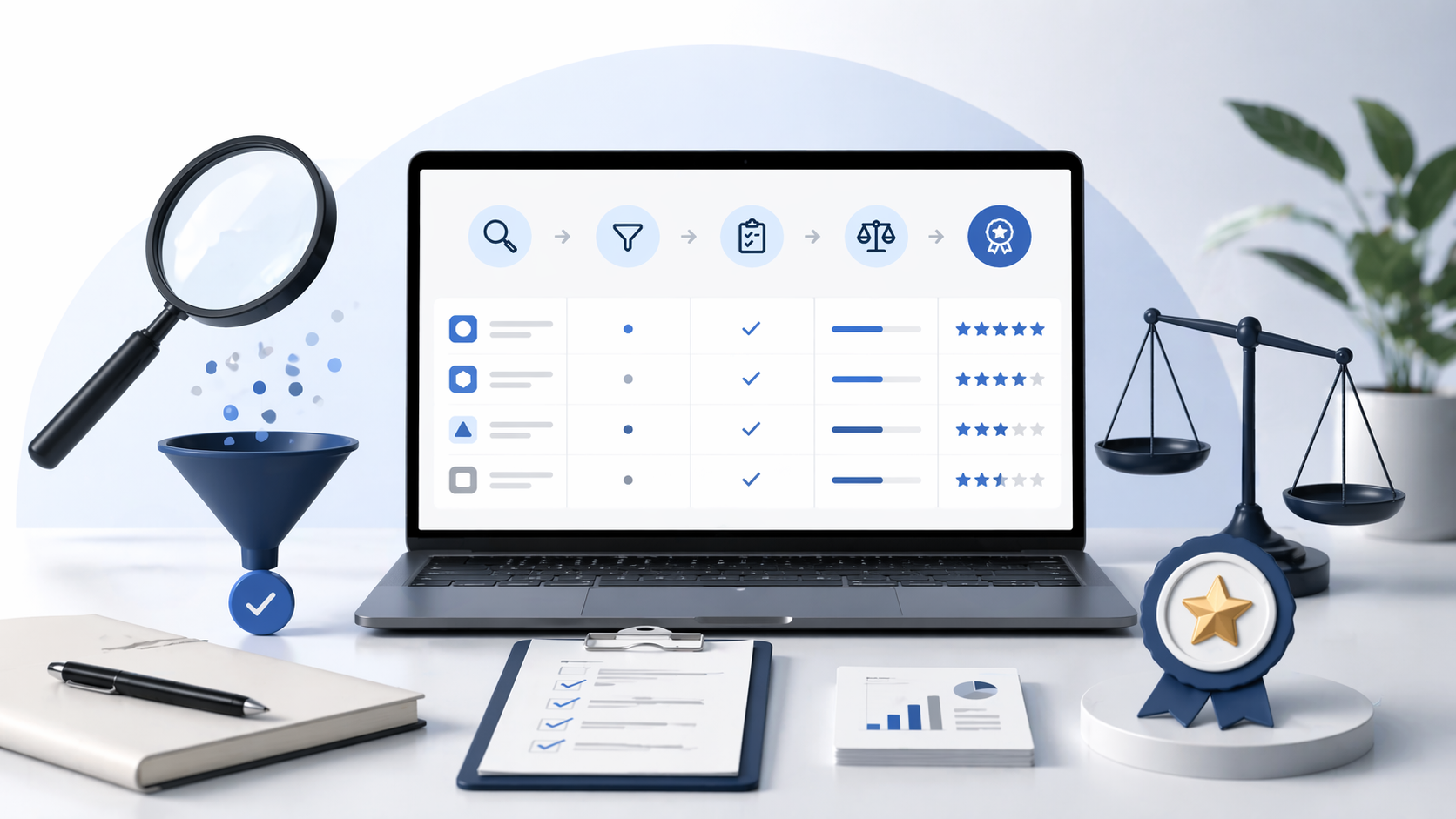
We use a structured shortlist format and compare products against a defined set of factors for each page (for example value, suitability for a specific use case, and policy or feature clarity). Recommendations are not selected at random and are not ordered by commission rate.
Each shortlist is built from documented product records, category criteria, and evidence notes. Where data changes materially (for example pricing, plan terms, product availability, or policy detail), we review and update relevant pages.
Unless a page explicitly says otherwise, readers should treat UK Shortlists recommendations as structured research and editorial evaluation rather than direct hands-on or lab testing.
As an Amazon Associate I earn from qualifying purchases.
Some links on UK Shortlists are affiliate links. We keep this disclosure visible and practical so readers can make informed decisions without guesswork.
Affiliate relationships may affect which merchants are available as outbound options, but they should not automatically determine product ranking. A recommendation still needs to make sense for the buyer problem on that page.
UK Shortlists may also run display advertising (including Google AdSense) on selected pages. Advertising controls are managed separately from shortlist rankings, and ads are not used as automatic ranking inputs for Top 4 picks.
Manufacturers may offer products for honest review consideration. Gifted, discounted, or loaned samples are disclosed where they materially affect evidence. A sample is not paid placement and does not buy inclusion, positive coverage, an award, affiliate placement, or ranking position.
Treat each shortlist as a starting point for decision-making, not a universal answer. The “best” option depends on your budget, priorities, and trade-offs you are comfortable with.
Before you buy, we recommend checking final pricing, stock, delivery, warranty, terms, and feature details directly on the merchant page.
Related reading: Methodology, Editorial Policy, Testing & Evidence Policy, Review Basis, Corrections Policy, Corrections & Updates Log, How We Make Money, and Editorial Contact, and Source Profile.