
Trust policy
Review basis
These labels show whether a recommendation uses published sources, checked product details or a criteria-based comparison. UK Shortlists does not currently publish first-party-use or long-term-tested labels.
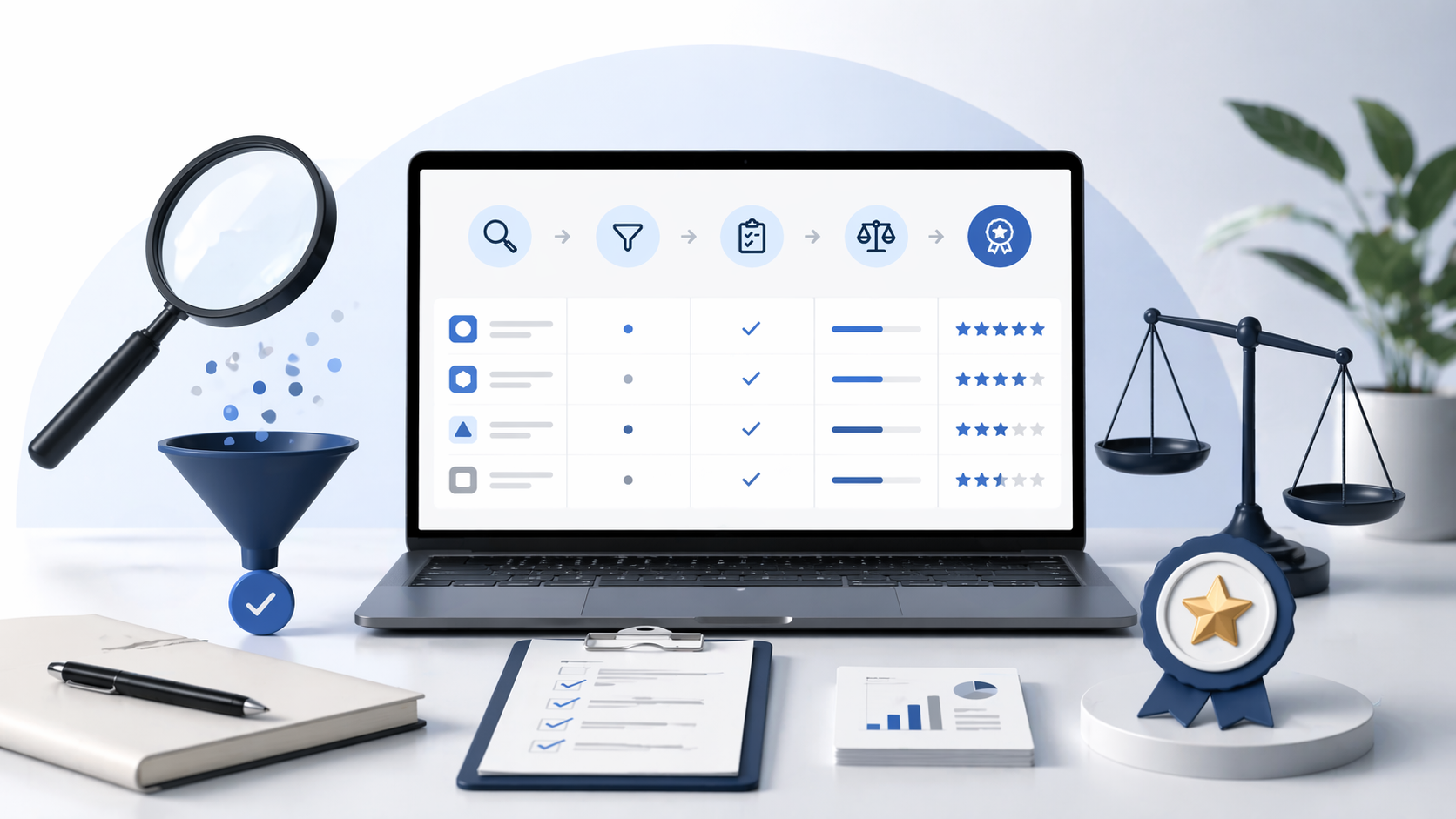
The labels we use
- Source-backed comparison
- Organised comparison using public product information, category criteria, retailer listings, published source material and editorial judgement.
- Key details checked
- Key claims are checked against manufacturer or retailer-listed specifications where those sources are available.
- Criteria-based comparison
- Recommendations are compared against stated criteria using named sources, buyer-feedback themes, documented expert input or multiple corroborating sources.
Labels we do not currently publish
UK Shortlists does not currently publish labels claiming first-party product use, hands-on testing, laboratory testing or long-term testing.
If that changes, the relevant page will explain exactly what was checked, how long it was used and whether a product sample was gifted, discounted, loaned, returned or otherwise provided by a brand.
Where expert input fits
Expert input can improve shortlist criteria, exclusions, buyer caveats, and the limits on what we state. It is not a blanket endorsement or testing claim. If named external expert review, professional course material, or specialist source evidence is used, the relevant page or source note should state the scope.
See the Expert Review Framework for the rules behind this.
What the labels do not mean
- A source-backed comparison does not mean hands-on testing.
- Checking key details does not mean performance was independently measured.
- A criteria-based comparison does not mean UK Shortlists personally tested every product.
- Expert input does not automatically mean endorsement, certification, safety approval, or direct product testing.
- Affiliate availability does not count as product evidence.
Why this matters
A useful buying guide should make its evidence level visible. Because UK Shortlists does not currently publish first-party-use, laboratory-testing or long-term-testing claims, pages should not imply otherwise. When data is uncertain, the safer answer is to show the limitation or leave the value unstated rather than guess.
See also the Testing & Evidence Policy and Editorial Policy.